Introduction:
In today’s fast-paced and competitive job market, organizations are constantly seeking innovative ways to enhance their hiring processes. One key aspect that has undergone a significant transformation is interview collaboration.
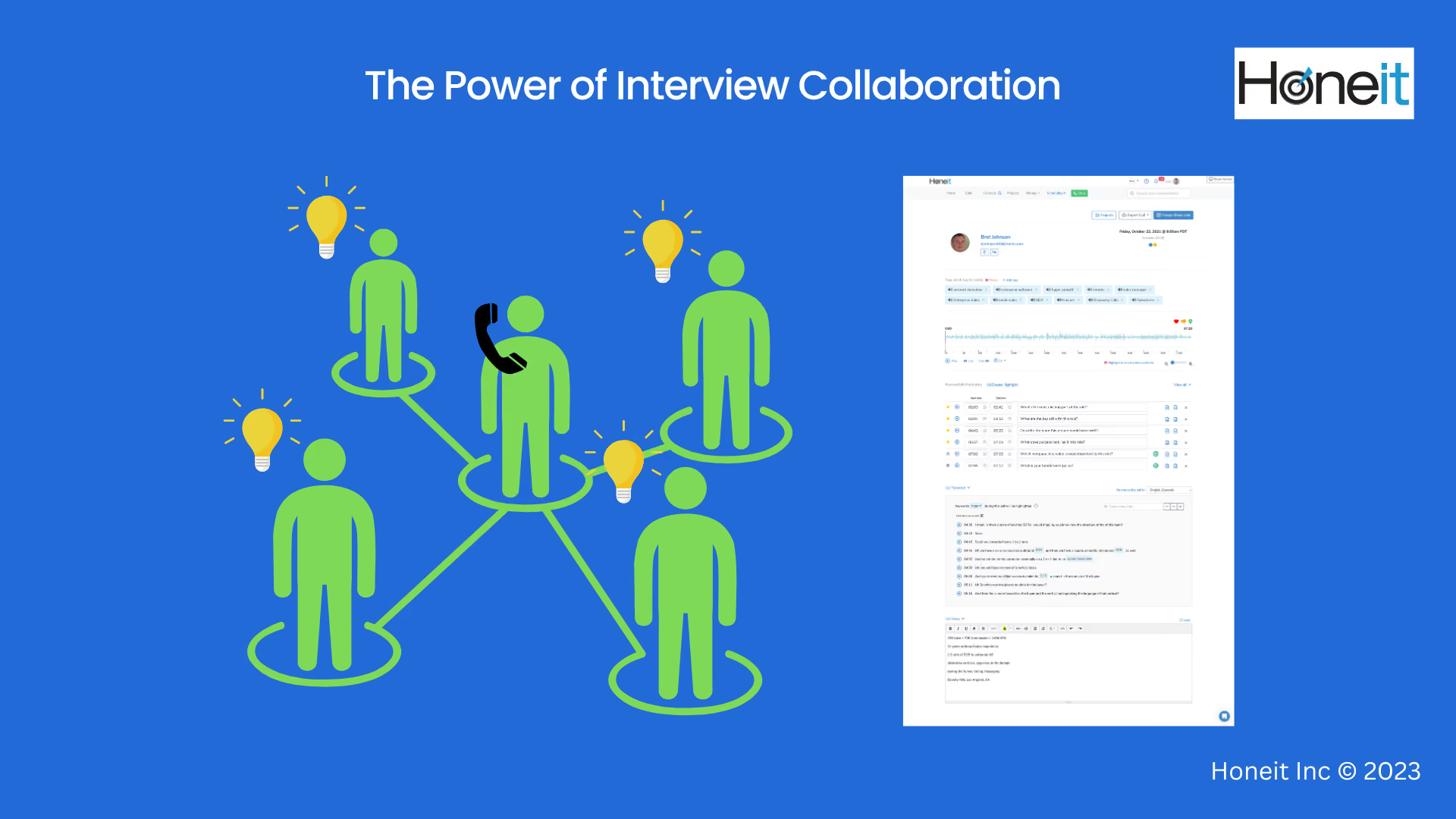
Traditional approaches often relied on subjective opinions and limited communication, resulting in misinterpretation, miscommunication, and interview bias. However, with the advent of interview data, recruiters now have the ability to ask key questions during initial calls and subsequently share the collected interview data with interview stakeholders and hiring teams for instant interview collaboration.
This data-driven approach has revolutionized interview collaboration, paving the way for more efficient and effective talent acquisition.
? Enhanced Screening Calls:
Gone are the days of multiple rounds of interviews to gather essential information about candidates. With the integration of interview data, recruiters can now extract crucial insights during the very first call. By asking targeted questions, recruiters can delve deeper into a candidate’s qualifications, experience, and cultural fit, collecting valuable data that forms the foundation for collaboration throughout the hiring process.
? Real-Time Interview Data:
Interview data serves as a powerful tool for fostering collaboration among interview stakeholders and hiring teams. By sharing key interview answers, recruiters can provide a comprehensive overview of each candidate’s capabilities, allowing for informed decision-making. This data-driven approach minimizes the risk of misinterpretation and facilitates objective evaluations, enabling interviewers to focus on shared insights rather than relying solely on personal opinions.
⚖️ Eliminating Bias and Promoting Fairness:
Subjective opinions and biases can unintentionally seep into the interview process, leading to unfair judgments and missed opportunities. Interview data acts as a safeguard against such pitfalls by fostering transparency and accountability. When interview stakeholders and hiring teams have access to standardized interview data, they can collectively evaluate candidates based on their merits and the specific requirements of the role. This approach promotes fairness and reduces the potential for unconscious biases to influence the final decision.
? Instant Collaboration:
In a collaborative hiring process, clear and effective communication is vital. Interview data serves as a common language that bridges the gap between different stakeholders, including recruiters, hiring managers, and team members. By providing a shared understanding of candidate profiles, skills, and qualifications, interview data facilitates efficient communication and ensures that all relevant parties are on the same page. This minimizes the risk of miscommunication, aligns expectations, and expedites the decision-making process.
? Continuous Improvement:
Data-driven interview collaboration also enables organizations to continually enhance their hiring processes. By analyzing aggregated interview data, companies can identify trends, patterns, and success indicators. This valuable information can then be used to refine interview strategies, modify questions, and optimize the selection criteria for future hiring initiatives. With each iteration, the organization becomes more adept at identifying top talent and improving the overall quality of hire.
Conclusion:
The integration of interview collaboration has revolutionized the recruitment and hiring process. By asking key questions on the very first call and sharing interview data with relevant stakeholders and hiring teams, recruiters empower the entire team to make data-driven decisions. This approach eliminates subjective opinions, reduces miscommunication, and minimizes bias, ultimately streamlining the hiring process and ensuring that the most qualified candidates are identified. With the power of interview data, organizations can unlock their collaborative potential and build strong, high-performing teams that drive success in the ever-evolving business landscape.