When it comes to the hiring process, candidate screening is one of the most important steps. This process involves assessing a candidate’s qualifications, experience, and fit for the position before inviting them for an interview. However, despite its significance, candidate screening is often overlooked or done hastily, leading to poor hiring decisions and high turnover rates.
“This vital step between sourcing and interviewing is where companies’ hiring processes have the most room for improvement.” Eric Feng, Partner at First Round Capital, Former CTO at Hulu
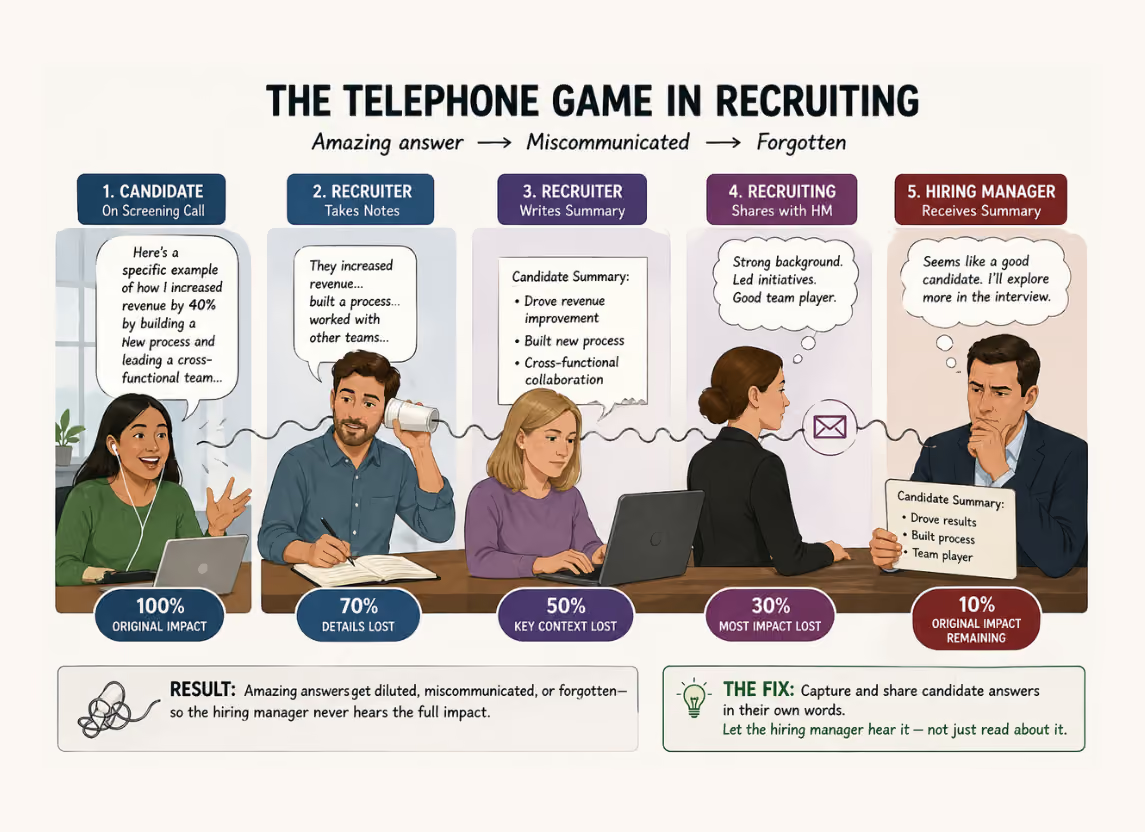
One of the most significant challenges in the candidate screening process is that often, non-technical and non-subject matter experts (recruiters) are the ones performing the phone screen. While recruiters are skilled at identifying strong candidates based on their resumes and initial phone conversations, they may not have the technical expertise needed to accurately assess a candidate’s skills and qualifications for the specific role. This can lead to miscommunication and misinterpretation between recruiters and hiring teams, where a candidate is identified as a good fit, but the hiring team discovers during the interview process that the candidate lacks critical skills or experience.
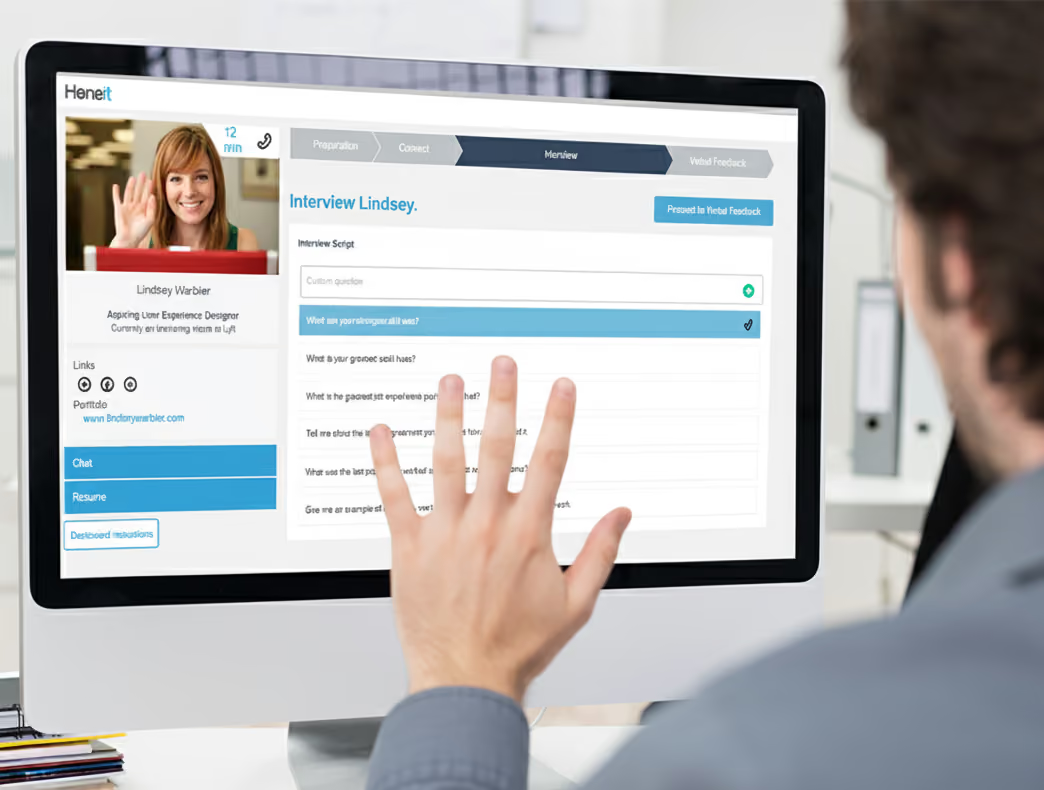
To overcome this challenge, companies can take several steps. First, they can ensure that recruiters have a clear understanding of the technical requirements of the role. This can be accomplished through training sessions or by partnering with technical hiring managers to provide guidance. Second, companies can consider using subject matter experts to conduct phone screens in addition to or instead of recruiters. This can help ensure that candidates are accurately assessed for their technical qualifications, and it can also provide candidates with a more in-depth understanding of the role and the company. Finally, companies can develop a clear communication process between recruiters and hiring teams.
Despite the challenges, candidate screening is a crucial step in the hiring process. It can save companies time and money, help identify the right fit, and improve the quality of hires. By investing time and resources in this step, companies can find the best candidates for the job and reduce turnover rates.
To improve your candidate screening process, here are some tips:
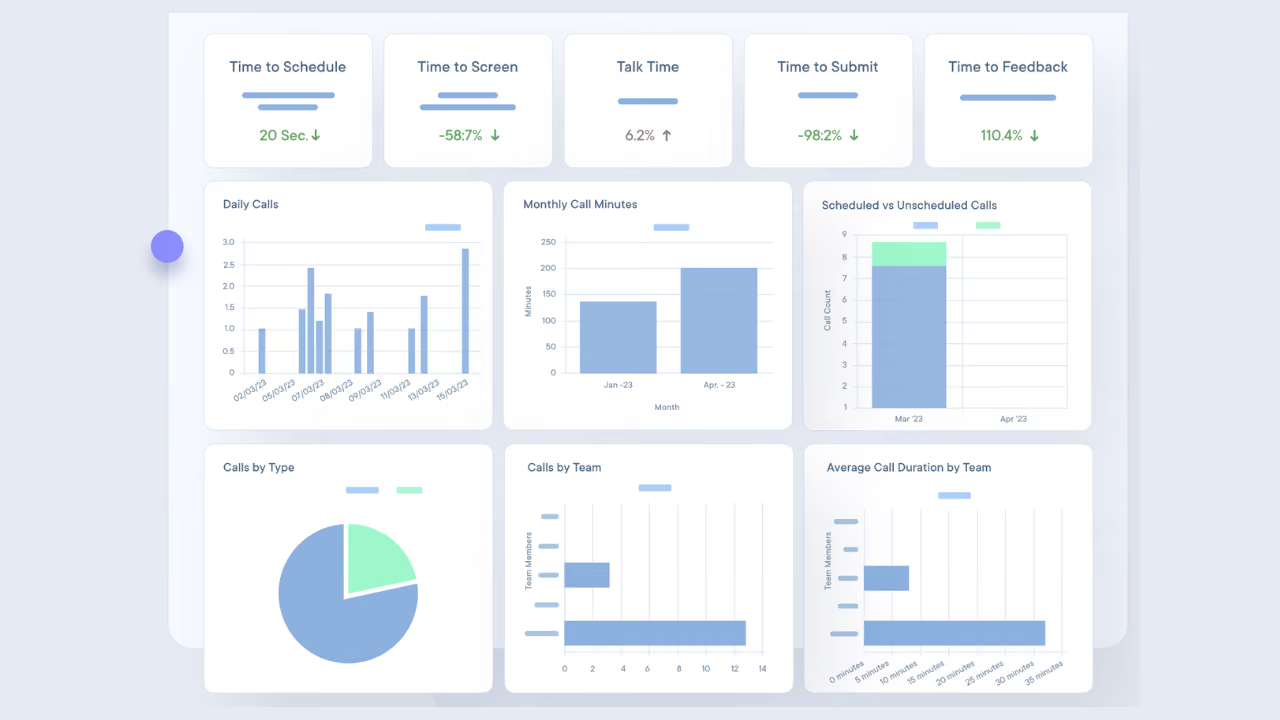
- Use candidate screening technology to your advantage: There are many tools available to help companies screen candidates more efficiently. From applicant tracking systems to pre-employment assessments, technology can help identify qualified applicants quickly and easily.
- Set clear screening criteria: Before you start screening candidates, make sure you have a clear understanding of what you’re looking for in a candidate. Define the skills, experience, and qualifications needed for the position and use this as a guide when reviewing resumes and applications.
- Be consistent: Consistency is key when it comes to screening candidates. Develop a screening process that is consistent for all applicants and use the same criteria for each candidate. This will help ensure that you’re making fair and informed decisions about each applicant.
In conclusion, candidate screening is a crucial step in the hiring process that should not be overlooked. While challenges such as non-technical and non-subject matter experts performing phone screens can lead to miscommunication and misinterpretation between recruiters and hiring teams, companies can overcome these challenges by ensuring that recruiters have a clear understanding of the technical requirements of the role, using subject matter experts to conduct phone screens, and developing a clear communication process between recruiters and hiring teams. By investing time and resources in the candidate screening process, companies can find the best candidates for the job, reduce turnover rates, and ultimately, improve their overall hiring process.